Back Pain with Shoveling Snow
Back Pain and Snow Shovelling: How to Protect Your Spine This Winter
With recent snowstorms we've had in the last week, you've probably been shovelling snow a lot more than you'd want to! Unfortunately, it’s also one of the most common winter activities that leads to back pain, muscle strains, and even disc injuries. At Regenesis Pain Management & Rehab Clinic, we see a spike in back-related injuries every winter, many of which are preventable.
Why Snow Shovelling Hurts Your Back
Snow shovelling combines several risk factors for injury:
- Repetitive bending and twisting
- Lifting heavy, wet snow
- Cold, stiff muscles
- Poor body mechanics
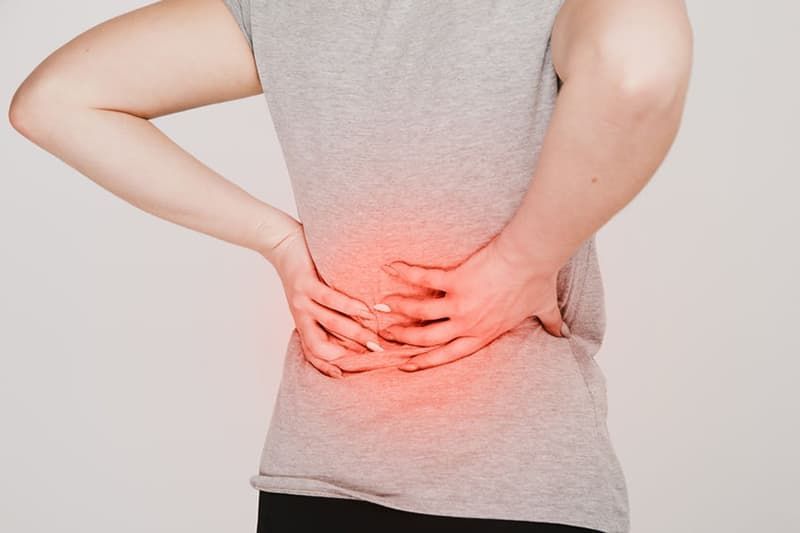
These stresses can overload the muscles, joints, and discs of the spine, especially the lower back. Even healthy individuals can develop pain if the load exceeds what the body is prepared for.
Common Shovelling-Related Injuries
- Lower back strains and sprains
- Disc irritation or herniation
- Shoulder and neck strain
- Worsening of existing back pain or arthritis
How to Shovel Snow Safely
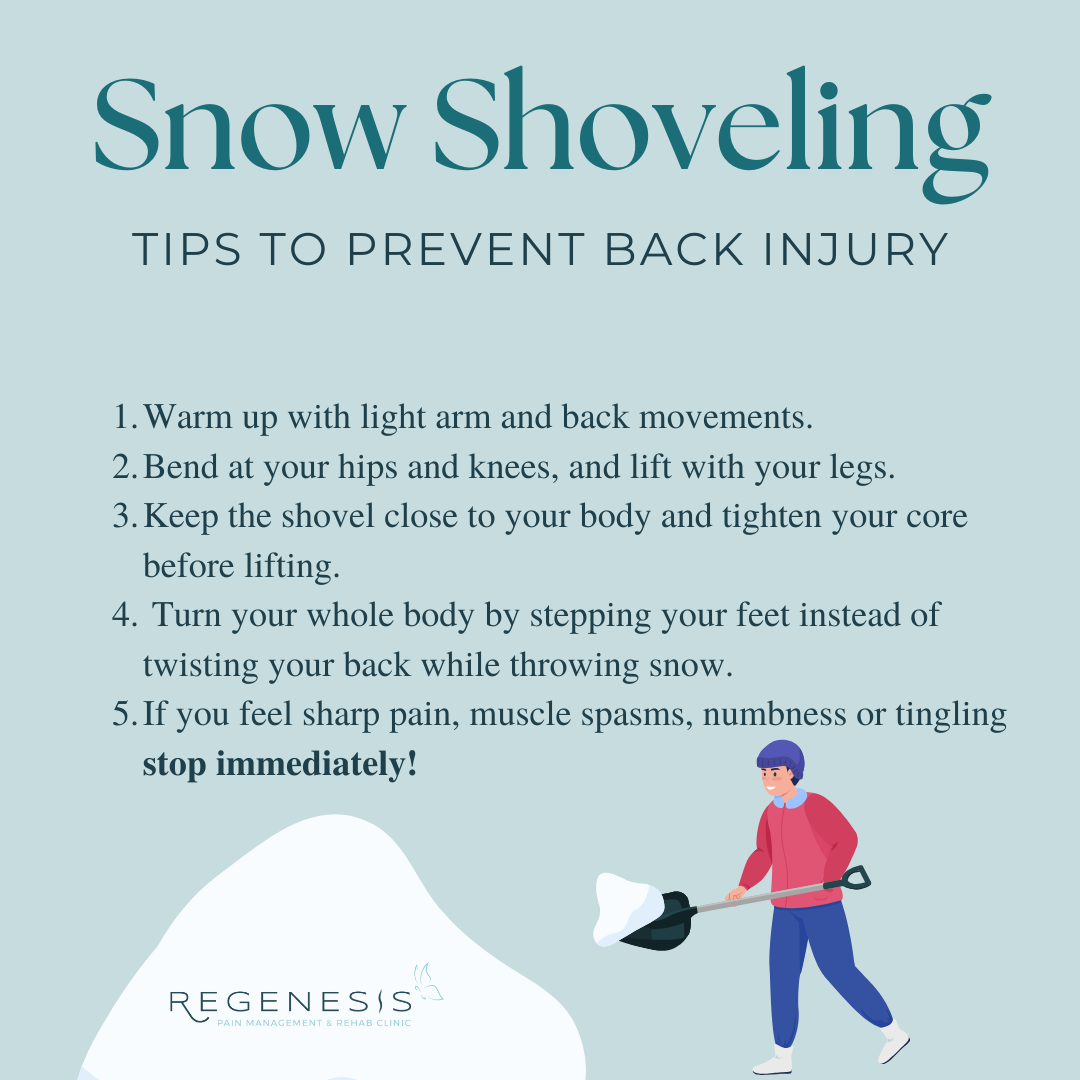
1. Warm up first
Cold muscles are more injury-prone. Spend 5–10 minutes doing light movements such as walking, arm circles, and gentle trunk rotations.
2. Use proper lifting technique
- Bend at your hips and knees, not your back
- Keep the shovel close to your body
- Tighten your core before lifting
- Lift with your legs, not your spine
3. Avoid twisting
Turn your whole body by stepping your feet instead of twisting your back while throwing snow.
4. Push when possible
Pushing snow is much safer than lifting it. Use a shovel designed for pushing rather than throwing.
5. Take smaller loads
Lift smaller amounts of snow more frequently instead of trying to move large, heavy loads at once especially with wet snow.
6. Take breaks
Shovelling is physically demanding. Stop every 10–15 minutes to rest and reset your posture.
7. Wear proper footwear
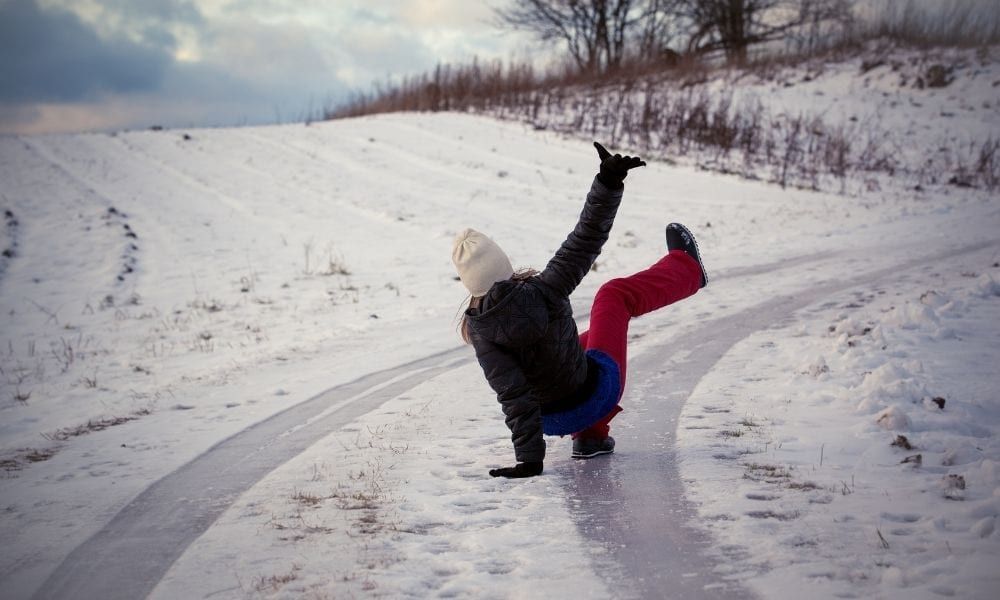
Good traction reduces slips and sudden movements that can cause injury.
When to Stop Shovelling
Stop immediately if you feel:
- Sharp or increasing back pain
- Pain radiating into the leg or buttock
- Muscle spasms
- Numbness or tingling
Pushing through pain increases the risk of more serious injury.
How Regenesis Can Help
If you develop back pain after shovelling, early treatment can speed recovery and prevent long-term issues. Our team offers:
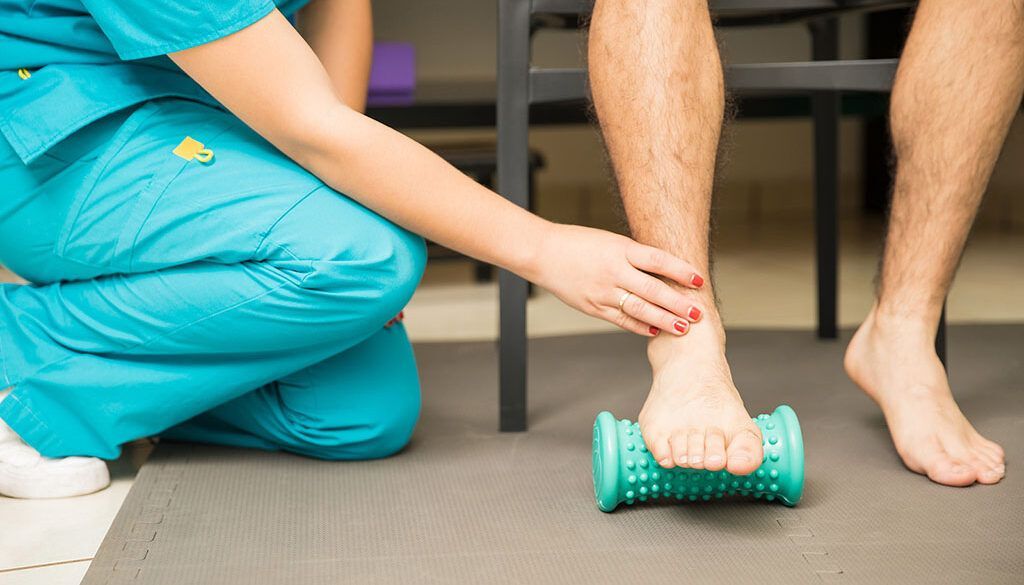
- Physiotherapy to restore movement and strength
- Chiropractic care to improve spinal joint function
- Massage therapy to reduce muscle tension and spasms
Prompt care can reduce pain, restore mobility, and help you return to daily activities safely.
If you’re experiencing back pain after snow shovelling, contact Regenesis Pain Management & Rehab Clinic for assessment and treatment.